9 Things I Learned Traveling Through Spain With My 11-Year-Old
I hadn’t been to southern Spain before, and I wanted to experience it with my daughter—especially because she loves the beach. My pacing was on the ambitious side because we didn’t have long—it was a week-long spring break, and I needed (and wanted) to see four different areas. Experiencing that in real time only reaffirmed what I consistently advise my clients: slow down, stay longer, and allow each place to unfold rather than trying to see it all at once. Easier said than done—but having done it both ways, I can confidently say that staying longer not only removes the feeling of rushing, it also shifts your reason for returning. Instead of feeling like you have to come back because you missed X, Y, and Z, you want to come back because you experienced so much and genuinely fell in love with the place.
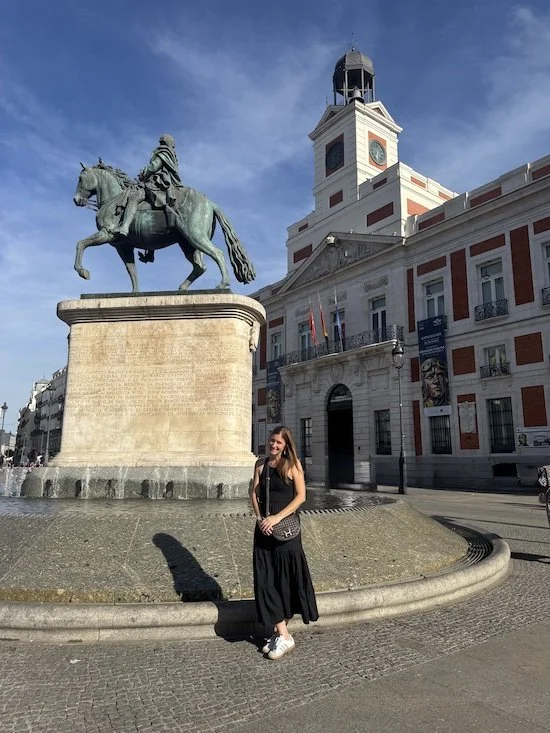
As always, the most meaningful insights come from being on the ground, and this trip offered a few reminders and refinements that I now carry into each itinerary I design:
Pacing is everything.
Even with a well-structured itinerary, the magic is in leaving room to linger. We like a half-day tour or activity each day and then leaving the remainder of the day open. Some of our best moments came from slowing down—returning to a favorite plaza, revisiting a beach club, or simply dog and people-watching (there were SO many dogs in Madrid).Start slow, settle in.
Spain’s later dining culture is part of its charm, but with children, balance is key and it may take 1-2 nights to fully get there. We leaned into a rhythm that worked for us—starting the day with substantial breakfast (a perk of my hotel bookings is daily breakfast being included), which comfortably carried us to a later lunch and ultimately into Spain’s naturally later dinners. It allowed us to embrace the local lifestyle.Intentional “unstructured” time adds value.
Building in moments for spontaneity; whether it’s a local market, a street performance we happened upon, or literally catching a dog meetup in El Retiro Park and watching the dogs play together and in fountains— created space for discovery.Engagement over exposure.
It’s not about how many landmarks you visit, but how you experience them. Framing history through storytelling and interactive moments made each stop more meaningful and memorable and finding the right guides made all the difference. The right guide can really bring a place to life for both adults and kids, keeping things engaging (and not feeling like a lecture). I always work with guides who are great with families, and it shows.Spain is exceptionally family-friendly.
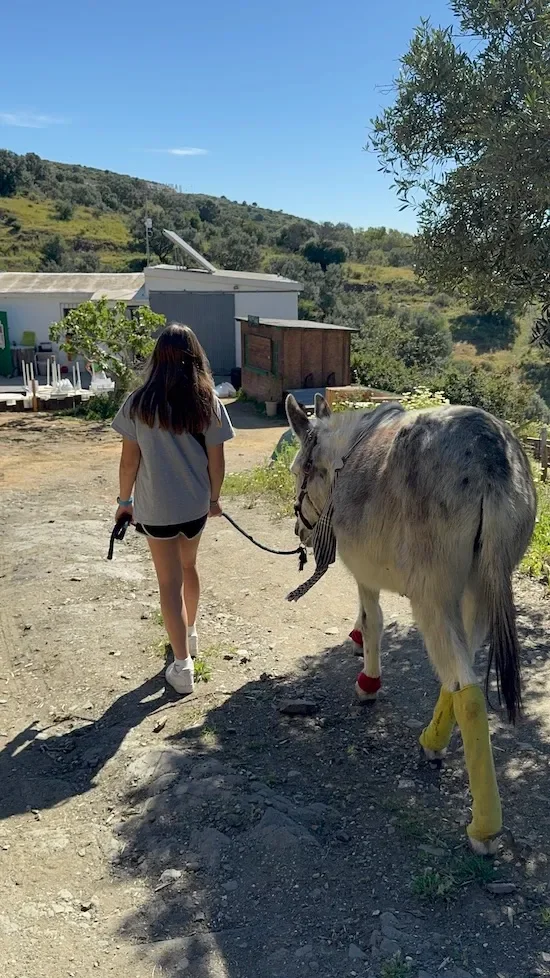
From open plazas to walkable neighborhoods, the infrastructure naturally supports families. By the end of each first day in a new place, my daughter had usually become the navigator, often without even needing a phone, which gave her a real sense of confidence and made her feel part of the experience in a very tangible way. I also loved the challenge of layering in off-the-beaten-path, kid-friendly experiences, like visiting a donkey sanctuary, which added a really special and unexpected highlight to our time in Spain.A balanced approach to food enhances the experience.
Allow yourself permission not to always eat the most “local” option, travel doesn’t have to be all or nothing. It’s completely okay to order room service or dine at your hotel restaurant when you want something simple or familiar for the kids. That said, gently stretching them out of their comfort zone along the way is especially important and often where some of the best travel memories (and surprises) happen.Packing strategically matters.
We each had a carry-on suitcase and a backpack, and even that felt like too much for how much we were moving between cities. I’m a huge proponent of traveling light and rewearing pieces, but this trip reminded me that we still overdid it. Less truly is more when you’re navigating trains, cobblestones, and frequent transitions.Children benefit from a sense of ownership.
Involving them in small decisions; choosing an activity, helping navigate—deepens their connection to the experience and keeps them engaged. On this trip, that looked like letting my daughter choose beaches based off our research, lead walking routes, and giving her the job of ordering snacks in Spanish when she felt brave enough.The intangible moments are the most lasting.
While Spain’s landmarks are extraordinary, it’s often the in-between moments that define the trip. Visiting a donkey sanctuary in Mijas was her favorite experience of the trip.
If you are traveling to Europe you may be interested in learning about the new entry/exit process. Read about it here.