Caribbean Family Travel Planning: 7 Questions Everyone Asks
I recently polled my Instagram and LinkedIn followers asking which destination they wanted me to cover next, and the Caribbean won by a landslide. Planning a Caribbean family vacation feels overwhelming to most. There's so much conflicting advice online, and when you're spending thousands of dollars and precious vacation days, you want to get it right.
I'm creating a complete Caribbean family travel series to answer every question you've ever had or didn't know you had. This is Part 1: Planning & Logistics; the foundational stuff you need to know before you even book.
Here's what's coming in this series:
Part 1: Planning & Logistics (you're reading it now!) - Which islands, passports, timing, budgets, and trip planning
Part 2: Safety & Health - Keeping your family safe and healthy in the Caribbean
Part 3: Beach & Water Concerns - Everything about Caribbean beaches, water safety, and marine life
Part 4: Activities & Favorite Hotels - What to do beyond the beach and where to stay
Let's dive into the seven most common planning questions I get, with honest, practical answers based on experience and from trial and error (yes, we've made mistakes so you don't have to).
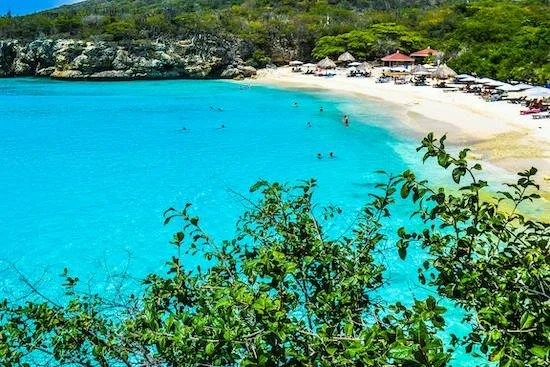
1. Which Caribbean Island Is Best for Families with Young Kids vs Teens?
This is the most common question I get, and my answer is always: it depends on your family. But here's how I think about it:
Best islands for families with young kids (under 8):
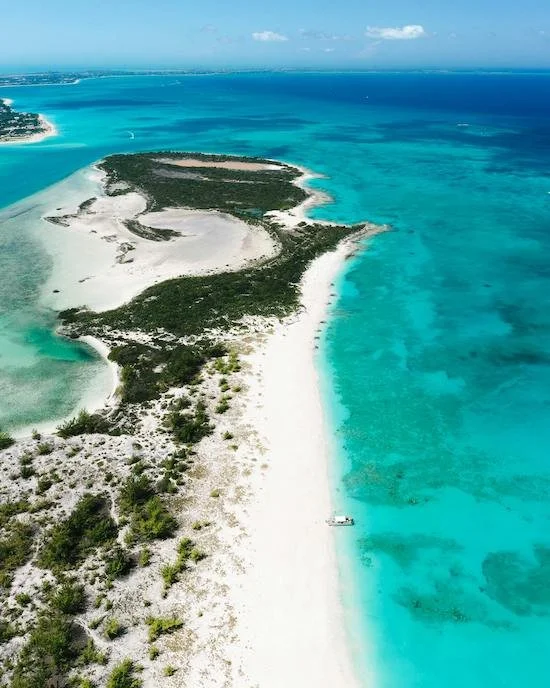
Turks and Caicos - Absolutely stunning beaches with calm, shallow water. Grace Bay is like a giant bathtub. Resorts are family-friendly but not overrun with kids. The downside? Expensive and limited cultural activities.
US Virgin Islands (St. John or St. Thomas) - No passport needed, calm beaches, easy to navigate, plenty of family resorts. St. John is quieter and more nature-focused. St. Thomas has more resort options and convenience.
Aruba - Consistently calm water (especially Baby Beach), safe, clean, tons of family-friendly resorts with kids clubs. It's outside the hurricane belt which means reliable weather. Not super culturally rich but stress-free with little ones and does have off property activities.
Grand Cayman (Seven Mile Beach) - Gorgeous calm water, extremely safe, English-speaking, easy to navigate. Great for families who want a simple, beach-focused vacation without a lot of planning.
Best islands for families with teens:
Jamaica - Teens love the adventure options: zip-lining, river tubing, waterfall climbing, snorkeling. Jamaican culture is vibrant and engaging. Music, food, history—there's substance beyond just beaches.
Puerto Rico - San Juan offers city exploration, Old San Juan is walkable and interesting for teens, El Yunque rainforest provides adventure, bioluminescent bays are magical. Plus a great food scene.
Bonaire - For teens into water sports, Bonaire is unbeatable. World-class snorkeling and diving right from shore, windsurfing, kiteboarding. Quiet and low-key if your teens aren't into loud scenes.
St. Lucia - Dramatic scenery (the Pitons!), adventure activities like zip-lining through rainforest, sulphur springs, chocolate tours. More interesting topography than flat beach islands.
2. Do We Need Passports for the Caribbean?
This is HUGE because passports for a family of four can cost hundreds and take months to get.
No passport needed for US citizens:
Puerto Rico - It's a US territory, so it's just like traveling to another state
US Virgin Islands (St. Thomas, St. John, St. Croix) - Also US territories
Some closed-loop cruises - If you're doing a cruise that starts and ends in the same US port, you can use birth certificates for kids under 16 and a government ID for adults
Passport required:
Every other Caribbean island - Bahamas, Jamaica, Aruba, Cayman, Turks and Caicos, Dominican Republic, St. Lucia, Barbados, etc.
My advice: Get passports for everyone anyway. Here's why:
Travel plans change - What if you find an amazing deal to Jamaica but can't go because you don't have passports?
Emergencies happen - If there's a family emergency and you need to fly home from USVI or Puerto Rico through a connecting city in another country, you'll need a passport
They last 5 years for kids, 10 years for adults - You'll use them eventually
Peace of mind is worth it
If you're on a tight timeline and can't get passports, Puerto Rico and USVI are fantastic options. Don't feel like you're settling—these are genuinely wonderful destinations.
3. What's the Best Time of Year to Go to Avoid Hurricanes?
Let me give you the uncomfortable truth: there's no perfect answer here, but there are smart strategies.
Hurricane season officially runs June 1 - November 30, with peak activity in August, September, and October.
Safest months (lowest hurricane risk):
December through May - This is peak season for a reason. Beautiful weather, virtually no hurricane risk, but also most expensive and most crowded.
June and July - Early hurricane season with relatively low risk, better prices than winter, still great weather.
My approach (and when using me as your advisor I will walk you through all of this):
Book refundable or reschedule-able accommodations - Many resorts offer flexible cancellation during hurricane season. It's worth paying slightly more for this peace of mind.
Get travel insurance - Buy "cancel for any reason" coverage if possible, or at minimum, coverage that includes hurricanes and tropical storms. Worth every penny.
Watch the weather actively - Starting a week before your trip, I check the National Hurricane Center daily. Most storms give you 3-5 days warning.
Have a backup plan - Know your resort's hurricane policy. Most will let you reschedule if there's a named storm approaching.
Consider islands outside the hurricane belt - Aruba, Bonaire, and Curaçao (the ABC islands) are south of the typical hurricane path. They can still get fringe effects but direct hits are rare.
The reality: Thousands of families vacation in the Caribbean during hurricane season without issues. But you need to be flexible and prepared to reschedule if a storm develops.
4. How Much Does a Caribbean Family Vacation Actually Cost?
This is wildly variable, but let me give you a realistic framework.
Budget Caribbean vacation (family of 4, 5-7 nights):
You can do a Caribbean trip at $5,000 if you're strategic. This means choosing closer islands to minimize flight costs while planning far in advance to get cheaper airline tickets, staying in self-catering condos or budget-friendly resorts, cooking most meals, and keeping activities simple—think beach days, snorkeling from shore, and maybe one paid excursion.
Mid-range Caribbean vacation (family of 4, 7 nights):
Most families I talk to spend somewhere in the $8,000-12,000 range for a solid Caribbean vacation. This gets you decent flights, a nice all-inclusive or comfortable condo, the ability to eat out regularly, and activities like snorkeling trips, excursions, and water sports without constantly checking your budget.
Luxury Caribbean vacation (family of 4, 7 nights):
If you're looking at premium resorts like Peter Island Resort or COMO Parrot Cay, high-end villas, or luxury properties, expect to spend $13,000-20,000+. This includes top-tier accommodations, personalized attention from the property, great dining and activities, and generally a completely stress-free experience.
Hidden costs to budget for:
Tips (15-20% at all-inclusives adds up, more if not all-inclusive)
Resort fees (some charge $25-50/night on top of room rate)
Equipment rentals (snorkel gear, beach chairs, water sports)
Sunscreen (expensive on islands - bring from home!)
Kids' extras like ice cream, arcade games, resort activities
Souvenirs and shopping
Money-saving strategies I actually use:
Travel during shoulder season (late April-May, November)
Book all-inclusive to control costs
Stay in condos and cook breakfast and some dinners
Bring snacks from home (granola bars, crackers - things that travel well)
Do free activities (beach, snorkeling from shore, hiking)
Use credit card points for flights
Don't let cost anxiety paralyze you. Start with your realistic budget, then we can find the island and accommodation that fits.
5. All-Inclusive vs Self-Catering: Which Is Better for Families?
I've done both, and there's no universal right answer.
Choose all-inclusive if:
✅ You want predictable, controlled costs ✅ You have picky eaters who need unlimited access to food ✅ You want ease and convenience over everything ✅ You plan to stay on resort property most of the time ✅ You have young kids who eat constantly ✅ You want kids club included ✅ You don't want to have to think about where you are going to eat
I have my favorite all-inclusive resorts for families so if this interests you, let me know!
The reality: All-inclusive with kids is so easy. You never worry about whether restaurants have high chairs or kids menus. Kids can eat whenever they're hungry. You're not hunting for grocery stores after a long flight.
The downsides: You're somewhat trapped on the resort. Food quality varies wildly - some all-inclusives have great food, others are mediocre buffets. You miss experiencing local restaurants and culture.
Choose self-catering if:
✅ You want to explore beyond the resort ✅ You enjoy cooking or have specific dietary needs ✅ You want to experience local restaurants and culture ✅ You're budget-conscious and can save money cooking some meals ✅ You have food allergies or very picky eaters who need specific foods ✅ You prefer having your own space (full kitchen, living room)
There are islands that cater better to this option.
The reality: We love renting condos because we can have breakfast on our patio, make sandwiches for beach picnics, and still go out for dinners. It feels more like real life in paradise.
The downsides: You have to grocery shop (usually more expensive on islands), plan meals, do dishes, and clean up. After a beach day, sometimes you just want someone else to cook.
The hybrid approach:
Sometimes we do a mix - stay at a hotel with breakfast included, eat lunch at the resort or pack sandwiches, explore local restaurants for dinner. This gives us flexibility without full-time cooking.
6. How Many Days Should We Stay?
This depends on travel distance, your budget, and your family's tolerance for travel, but here are my guidelines:
Minimum trip length by distance:
Close islands (3-hour flight or less): 4-5 nights minimum
Why: Short enough flight that 4-5 days feels worth it
Sweet spot: 5-7 nights
Medium distance (4-5 hour flight): 6-7 nights minimum
Why: You're investing more in flights, need more time to justify it
Sweet spot: 7-10 nights
Longer flight or multiple connections: 7-10 nights minimum
Why: If you're spending a full day traveling, you need enough time to make it worthwhile
Sweet spot: 10-14 nights if possible
My opinion: Never do less than 5 nights in the Caribbean with kids. Here's why:
Day 1: Travel day, you're exhausted, just settling in
Day 2: First full day, you're finding your rhythm
Day 3-4: Finally relaxed and in vacation mode
Day 5: Starting to feel sad it's ending
Day 6: Last full day, soaking it all in
Day 7: Travel home
If you leave on Day 5, you barely got 2-3 good days. It's not worth the hassle with kids. I know taking a full week+ off is hard. But honestly, I'd rather do one 8-night Caribbean trip than two 4-night trips. You get more bang for your buck, more time in the actual destination and everyone's more relaxed.
7. Can We Island Hop with Kids or Is That Too Much?
I love this question because island hopping sounds so romantic and adventurous. The reality is a bit more complicated with kids but totally doable.
When island hopping works:
✅ Your kids handle transitions well ✅ You're doing a 8+ day trip (enough time to make multiple stops worthwhile) ✅ Islands are close together with easy transportation ✅ You're experienced travelers who pack light ✅ You have tweens/teens who crave variety and adventure ✅ You genuinely want the experience and aren't just doing it to "see more"
I have my favorite island combinations for families who want to island hop. Below is a preview. Let's chat about this more!
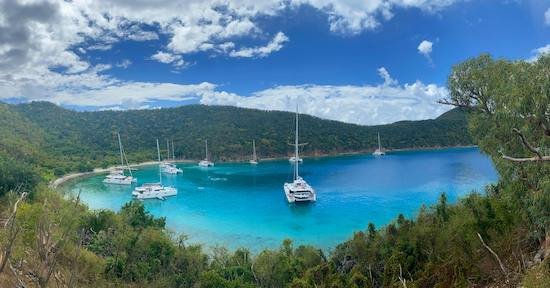
USVI + British Virgin Islands: This is a fantastic combo if you have passports. Stay in St. Thomas or St. John (USVI), then ferry over to Tortola or Virgin Gorda (BVI) for a few nights. The ferry ride is short and scenic, and you get to experience both US and British territories. The BVIs are quieter and more laid-back than the USVI. You may have seen me post this past summer when I was island hopping myself in BVI. Another option is to island hop while on a catamaran!
What questions do you have about planning a Caribbean family vacation? Drop them in the comments and I'll answer them! You can also email me or schedule a call for us to discuss!
Next up in the series: Best beaches for young kids with calm water and shallow entry—the guide you've been waiting for!