Caribbean Beaches & Water: Everything Families Need to Know
Welcome to Part 3 of my Caribbean Family Travel series! We've covered planning logistics and safety concerns - now let's talk about the main reason you're going: the beaches and water!
This is where parents have so many questions. Which beaches are actually safe for toddlers? Where is the water calm enough for young swimmers? Can we snorkel with kids? What about waves and currents? Which islands have that picture-perfect turquoise water?
I'm answering all of it based on Caribbean beach experiences with kids of all ages. Let's dive in!
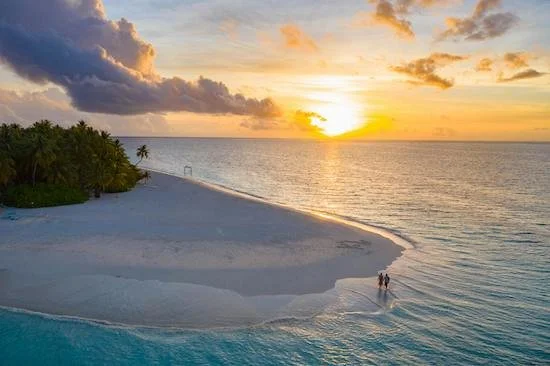
Which Beaches Have Calm Water for Toddlers?
This is THE question I get most from parents with young kids, and for good reason. Toddlers and waves don't mix well. You need calm, shallow water where they can splash safely while you actually relax. Most Caribbean islands have one side that faces the Caribbean Sea (west or south usually) and one side that faces the Atlantic Ocean (north or east usually). The Caribbean Sea side is almost always calmer.
The absolute best beaches for toddlers:
Grace Bay, Turks and Caicos
This is the gold standard for toddler-friendly Caribbean beaches. The water is absurdly calm - like a giant bathtub. It stays shallow for a long way out, the sand is perfect (no rocks or coral chunks), and the water is that incredible turquoise you see in photos.
Why it's perfect: You can sit on the beach and watch your toddler splash in ankle-deep water. The barrier reef offshore breaks any waves before they reach the beach. It's calm almost every single day.
The catch: Turks and Caicos is expensive. But if you have young kids and budget allows, it's worth every penny for the stress-free beach experience and stunning water and sand.
Baby Beach, Aruba
The name says it all. This beach is in a protected cove with almost no waves. The water is incredibly shallow . You can walk out 50 feet and still be in waist-deep (on toddlers) water.
Why it's perfect: The horseshoe shape of the cove blocks waves and current. There are facilities nearby (bathrooms, food). Locals bring their own young kids here.
What to know: It's on the opposite end of the island from most resorts, so you map need to drive or take a taxi depending on where you are staying but it is worth the trip.
Seven Mile Beach, Grand Cayman
Consistently calm, shallow, and beautiful. The western shore of Grand Cayman is protected, so waves are minimal. The sand is soft, water is clear, and it's easy to access from most resorts.
Why it's perfect: Long, wide beach with plenty of space. Shallow water that gradually deepens. Usually calm conditions. Very safe and well-maintained.
Bonus: Stingray city sandbar is nearby if you want to add that experience (fun with kids 5+).
Magens Bay, St. Thomas (USVI)
This mile-long beach is in a protected bay with calm water perfect for young kids. It's consistently ranked one of the most beautiful beaches in the world.
Why it's perfect: The bay shape keeps water calm. Shallow areas for toddlers, deeper areas for older kids and adults. Lifeguards are typically on duty.
What to know: Gets crowded, especially when cruise ships are in port. Go early morning for the best experience.
Lindquist Beach, St. Thomas (USVI)
Less crowded than Magens Bay with similarly calm conditions. Gorgeous, protected cove with gentle water.
Why it's perfect: Locals love this beach. Calm water, beautiful setting, less touristy than other St. Thomas beaches.
Mullins Beach, Barbados
West coast of Barbados has the calmest water on the island. Mullins Beach is particularly good for families - calm, shallow, with nearby restaurants and facilities.
Why it's perfect: Protected western shore means minimal waves. Good sand, clear water, family-friendly vibe.
Islands where you need to be more selective:
St. Lucia (beautiful but some beaches have significant waves)
Most of Puerto Rico's north coast (Atlantic side can be rough)
Dominican Republic (varies greatly by location)
Jamaica's north coast (can have waves and currents)
My toddler beach essentials:
Water shoes (protect from hot sand and occasional rocks)
Pop-up beach tent for shade or one to sit underneath
Swim diapers if needed
Tons of sunscreen
Snacks and water (hungry kids = cranky kids)
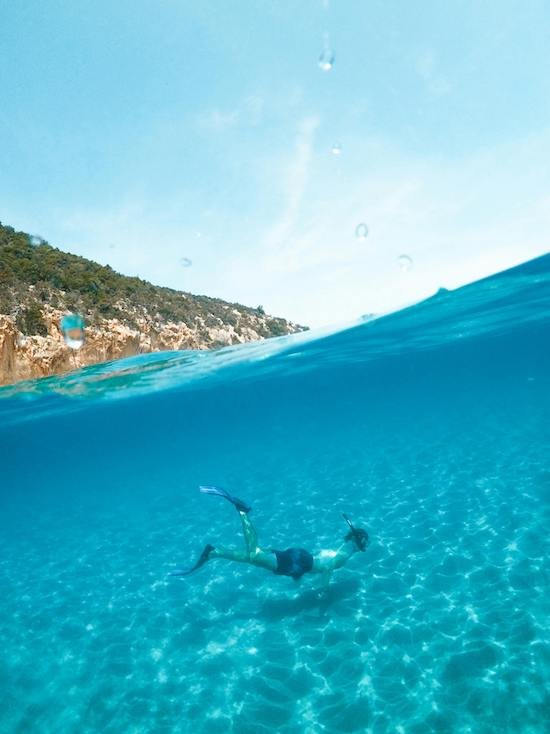
Best Islands for Snorkeling with Kids?
Snorkeling is one of the most magical experiences you can share with kids in the Caribbean. Watching their faces light up when they see colorful fish for the first time is unforgettable.
Best overall snorkeling destinations for families:
Bonaire
Hands down the best Caribbean snorkeling, especially for families. You can snorkel right from shore at dozens of marked sites. No boats needed. The reef is healthy and close to shore. Fish are abundant and used to people.
What to know: You'll need to get transportation to access different snorkel sites around the island. Water entry can be rocky at some sites (water shoes essential). Not the most "resort-y" island - it's for nature and water sports lovers.
US Virgin Islands (especially St. John)
Trunk Bay on St. John has an underwater snorkel trail with signs identifying marine life. Perfect for first-time snorkelers. Cinnamon Bay and Waterlemon Cay are also excellent. The marked trail at Trunk Bay is ideal for kids learning to snorkel.
What to know: Trunk Bay charges admission and gets crowded. Go early. Other St. John beaches (Cinnamon Bay, Maho Bay) offer great snorkeling with fewer crowds.
Grand Cayman
Cemetery Beach and Smith Cove offer excellent shore snorkeling. Stingray City is an experience families enjoy as you stand in shallow water while friendly stingrays swim around you.
What to know: Water is calm and clear. Easy snorkeling from shore at several locations. Seven Mile Beach also has decent snorkeling at the southern end.
Turks and Caicos
Smith's Reef is fantastic for families as you can walk out from shore and see incredible marine life. Bight Reef is another great option with calm, clear water.
What to know: Grace Bay itself doesn't have great snorkeling (the reef is too far out), but nearby beaches have excellent access or we can schedule an excursion that takes you out in a boat.
Aruba
Mangel Halto and Baby Beach both offer good snorkeling in calm water. You'll see tropical fish and sometimes sea turtles.
Gear recommendations:
Get properly fitting masks. Adult masks don't work on kids' faces
Consider full-face snorkel masks for kids (controversial but many kids find them easier)
Life jackets for weaker swimmers (even in shallow water)
Rash guards or wetsuits for sun protection and warmth
Water shoes for rocky entries
Making it magical for kids:
Get an underwater camera so they can see what they saw
Bring fish identification cards (laminated)
Make it a scavenger hunt ("Can you find a yellow fish?")
Don't force it - if they're scared, try again another day
Start in a pool or calm area so they can practice
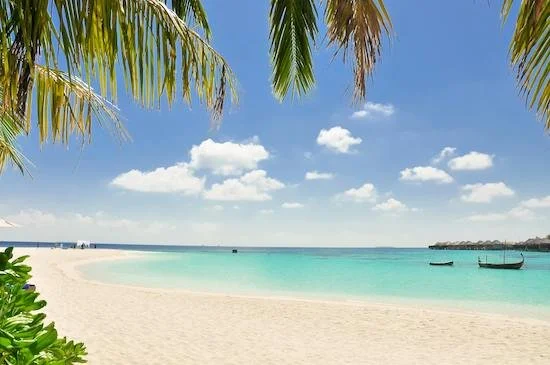
The Truth About Sharks
I addressed this in the Safety post, but it deserves repeating because it's such a common fear:
The truth: Yes, sharks exist in Caribbean waters.
The statistics: Shark attacks in the Caribbean are extraordinarily rare. We're talking single digits per year across the entire region, and most are not serious. You're statistically more likely to be injured driving to the beach than by a shark in the water.
Why shark attacks are so rare:
Most Caribbean sharks are small, non-aggressive species
They avoid areas with lots of human activity
Caribbean waters are clear - sharks can see you're not prey
Popular swimming beaches are too busy for sharks
The species you might see while snorkeling:
Nurse sharks - Docile bottom-dwellers, completely harmless
Reef sharks - Small, shy, avoid people
Stingrays - Not sharks but people worry about them. Do the stingray shuffle and you're fine.
Which Islands Have the Clearest Water?
This is what makes Caribbean beaches so special; that crystal-clear turquoise water. But some islands definitely have clearer water than others.
The absolute clearest water: Turks and Caicos, Bahamas (especially Exumas), Cayman Islands, Bonaire, Anguilla
Very clear water: Aruba, US Virgin Islands (especially St. John), British Virgin Islands, Barbados (west coast), St. Barths
Clear but can vary: Jamaica (Clear in many areas but some beaches near rivers or ports can be less clear), Puerto Rico (Variable. Culebra and Vieques have stunning clarity. Some mainland beaches less so.), Dominican Republic (Varies widely depending on location), St. Lucia (Generally clear but some areas affected by river runoff.)
Seasonal considerations:
Rainy season (varies by island but generally May-November) can temporarily reduce clarity near shore after heavy rains
Winter months sometimes have rougher seas that stir up sand
Hurricane season can affect water quality temporarily
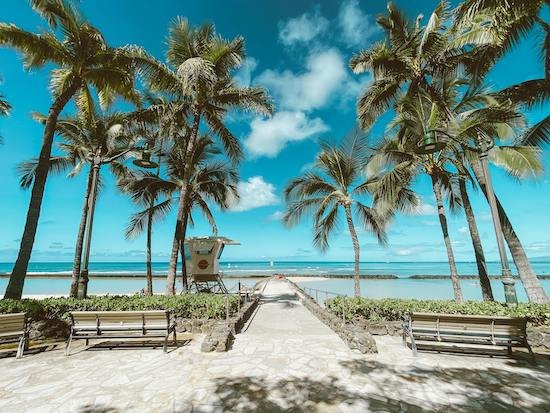
Swimming Safety: What You Actually Need to Know
Beyond the specific concerns we've covered, here is some practical swimming safety guidelines:
Beach Flags and Warning Systems
Many Caribbean beaches use flag systems and you should pay attention to them.
Green flag = Calm, safe conditions
Yellow flag = Moderate conditions, caution advised
Red flag = Dangerous conditions, strong currents or high surf
Purple flag = Dangerous marine life present (jellyfish, etc.)
Not all beaches have flags, but when they do, respect them.
Lifeguards
Not all Caribbean beaches have lifeguards. When they do, swim in the designated area and respect their guidance.
Beaches commonly with lifeguards: Popular tourist beaches on major islands, beaches at large resorts sometimes and some public beaches in USVI and Puerto Rico.
Caribbean Beaches and Water
The Caribbean has beaches for every family. Whether you need bathtub-calm water for a toddler or adventure for teens, there's a perfect beach waiting.
I’ve done the research. Not all beaches are created equal, even on the same island. I’ve done the research and know which beaches match your family's needs after we chat.
Calm water matters with young kids. If you have toddlers or young children, prioritize islands and beaches with consistently calm conditions. It transforms your experience from stressful to relaxing. We can also take in to account a property that has private beach access so you walk right out of your accommodation on to your own piece of beach!
The water really is that beautiful. Those turquoise photos are real. The Caribbean truly has some of the world's most stunning water. I never get over it when I am there; it is stunning!
Safety is simple. Follow basic ocean safety rules, supervise your kids and use common sense.
Every age can enjoy it. Toddlers can splash in shallow water. School-age kids can snorkel and explore. Teens can try water sports. Adults can finally relax on a beach while kids play safely. The Caribbean delivers for everyone.
Our team has visited dozens of Caribbean beaches with our kids at every age. The memories of them discovering sea life, building sandcastles, jumping waves, and playing in that crystal-clear water are priceless. Don't let concerns hold you back from creating those memories with your family.
What beach or water questions do you have? Drop them in the comments!
Coming up next: Part 4 - Activities & Favorite Hotels. Where to stay and what to do beyond the beach. Stay tuned!
Want to schedule a call to discuss a trip? Schedule a time to have a 30 minute call where I can learn more about where you want to go! You can also email me if that is easier.